
BLOG
Join me as I tag you along in my Journey of Storytelling with my knack for unique narratives. Presenting to you-
BLOG of the best freelance digital marketer in thrissur
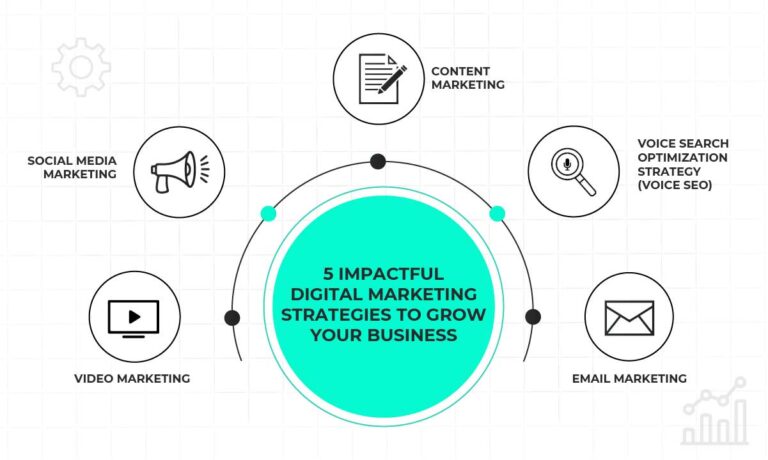
How digital marketing helps local businesses grow
Digital marketing has transformed the growth trajectory of local businesses by providing measurable, targeted, and cost-efficient strategies that directly connect brands with their ideal customers. Unlike traditional marketing channels that rely on broad exposure, digital marketing enables hyper-local targeting through search engine optimization (SEO), location-based keywords, and optimized listings on platforms like Google, particularly via Google Business Profile, which increases visibility in local search results and map packs when potential customers are actively seeking nearby services. Social media platforms such as Instagram and Facebook allow businesses to build brand recognition within their communities through consistent content, customer engagement, and targeted advertising campaigns that focus on specific demographics and geographic areas. Paid advertising further accelerates growth by ensuring marketing budgets are invested strategically, reaching high-intent audiences with measurable return on investment (ROI). Additionally, content marketing, email campaigns, and customer review management strengthen credibility and foster long-term relationships, while analytics tools provide actionable insights into consumer behavior, enabling continuous optimization of marketing strategies. By integrating online visibility, community engagement, and data-driven decision-making, digital marketing empowers local businesses to compete with larger brands, increase foot traffic and online inquiries, enhance brand trust, and achieve scalable, sustainable growth in an increasingly digital marketplace.
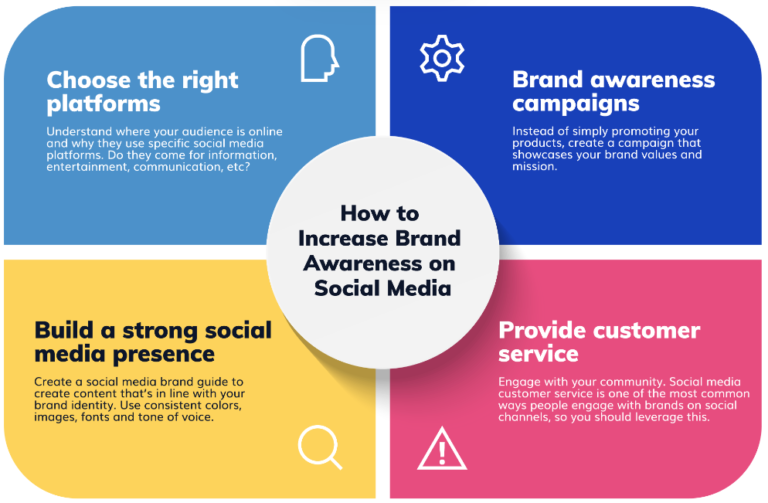
How social media marketing increase brand awareness
Social media marketing plays a pivotal role in increasing brand awareness by positioning businesses directly in front of highly targeted audiences and creating consistent, meaningful interactions that strengthen recognition and recall. Platforms such as Instagram, Facebook, LinkedIn, and YouTube provide powerful ecosystems where brands can distribute content strategically, leverage algorithm-driven reach, and engage with users in real time. Through a combination of organic content, paid advertising, reels, stories, and community engagement features, businesses can extend their visibility beyond their immediate follower base and reach new potential customers who align with their target demographics. Consistent visual branding, a defined tone of voice, and value-driven content reinforce brand identity, making the business more recognizable and memorable in competitive markets. Engagement metrics such as shares, comments, saves, and click-through rates amplify exposure while also signaling credibility and relevance to platform algorithms. Additionally, influencer collaborations and user-generated content further enhance authenticity and social proof, increasing trust and accelerating brand recall. With detailed analytics and performance insights, social media strategies can be continuously optimized to improve reach, engagement, and conversion pathways. Ultimately, when executed with strategic clarity and creative consistency, social media marketing transforms casual viewers into engaged communities, strengthens brand positioning, and establishes long-term awareness that supports sustained business growth.
Website speed and its impact on SEO
Website speed is a critical ranking factor that directly influences search engine optimization (SEO), user experience, and overall digital performance. Search engines like Google prioritize fast-loading websites because speed enhances usability, reduces bounce rates, and improves engagement metrics—key behavioral signals that affect search rankings. Core Web Vitals, including Largest Contentful Paint (LCP), First Input Delay (FID), and Cumulative Layout Shift (CLS), are performance indicators used to evaluate page experience and technical quality. When a website loads slowly, users are more likely to abandon it within seconds, increasing bounce rates and negatively impacting dwell time, both of which can lower search visibility. In contrast, optimized loading speeds improve crawl efficiency, enabling search engine bots to index pages more effectively, which strengthens overall site authority. Technical optimizations such as image compression, browser caching, code minification, content delivery networks (CDNs), and responsive design significantly enhance performance across devices, particularly on mobile where speed is even more critical. Beyond rankings, faster websites build credibility, improve conversion rates, and create seamless navigation experiences that encourage users to explore further. In a competitive digital landscape where milliseconds can influence user decisions, website speed is not just a technical metric—it is a strategic SEO asset that directly impacts traffic growth, engagement, and long-term business success.
Thank you for reading my blog. Here, we share actionable insights, proven digital strategies, and performance-driven marketing knowledge designed to help businesses grow in a competitive online landscape. From SEO and social media marketing to paid advertising, website optimization, and brand strategy, every article is crafted to deliver practical value—not just theory.
If you’re ready to transform your digital presence, generate qualified leads, and build a brand that stands out, let’s connect. Whether you’re a local business, startup, or growing company, our tailored digital marketing solutions are built around measurable results and long-term success.
Hi